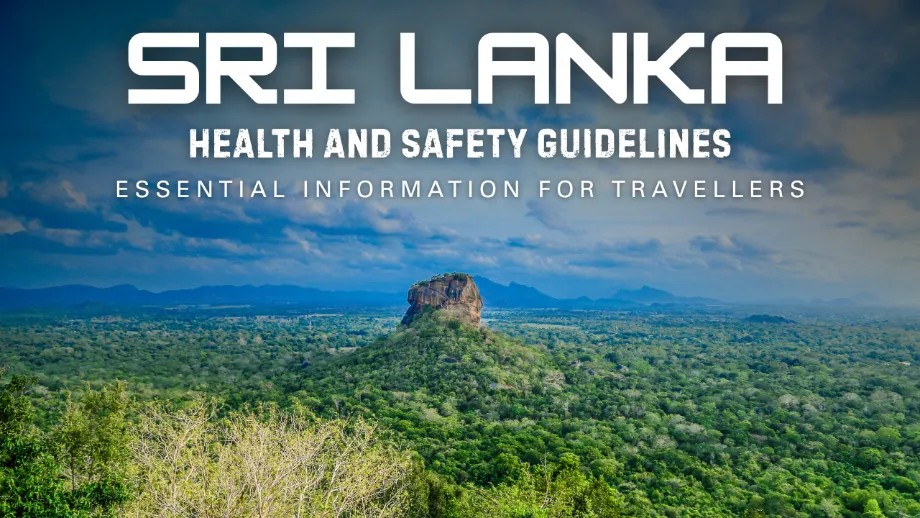
Sri Lanka is generally safe to visit with basic health precautions. Update routine vaccines and consider hepatitis A/B or typhoid if needed. Use bottled water, eat fresh food, stay hydrated, and protect yourself from sun and mosquitoes. Carry travel insurance, as private hospitals offer better care than public ones. Watch for petty theft in tourist areas and stay alert during monsoons or floods. With simple care and awareness, you can travel Sri Lanka confidently.
Recorded Video Script
Planning a trip to Sri Lanka? Here's your quick health and safety guide. Check your routine vaccinations and update shots like MMR, tetanus, chickenpox, polio, and flu. Some travelers may also need hepatitis A, hepatitis B, typhoid, or Japanese encephalitis based on their plans. Use bottled or purified water for drinking and brushing. Eat freshly cooked food, avoid raw or unwashed items, and pick fruits you can peel. Stay hydrated in the heat, wear light clothes, use sun protection, and give your body time to adjust. Protect yourself from mosquitoes that spread dengue, chikungunya, and zika. Use repellent, wear long sleeves when needed, and stay in places with nets or air conditioning. Private hospitals offer good care, but public facilities may be limited. Carry travel insurance that covers treatment and evacuation. Sri Lanka is generally safe, though petty theft and scams can occur in tourist areas. Keep valuables secure and stay aware in crowds. No monsoon patterns, flooding risks, and tsunami-prone zones. follow local alerts and no evacuation routes save these emergency numbers police 119 fire 110 medical 108 keep embassy contacts and insurance details handy with basic care clean water safe food sun protection mosquito control and insurance you can travel across sri lanka with confidence.
Comments
No comments yet. Be the first to comment!